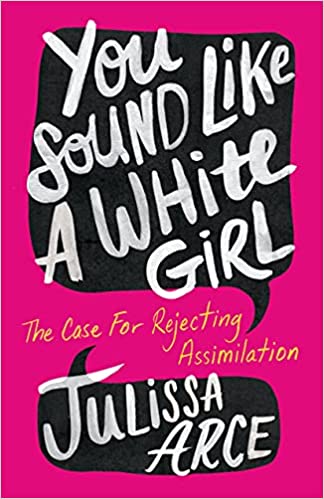
Book Review: You Sound Like a White Girl: The Case for Rejecting Assimilation by Julissa Arce
Rating: ★☆☆☆☆ (1/5)
Introduction
I went into You Sound Like a White Girl expecting a sharp, introspective exploration of identity, assimilation, and systemic pressure — themes that feel both timely and necessary. Unfortunately, while the premise is compelling, the execution left me frustrated and disengaged.
Quick Facts
- Release: 2022
- Read: December 2025
- Reading Time: Short, but emotionally repetitive
- Pages: 240
- Format Recommendation: Physical or ebook; audiobook may intensify the tone, which may not work for all readers.
- Perfect for: Readers new to conversations around assimilation who are looking for a personal essay perspective rather than nuanced analysis.
Genre and Writing Style
- Genre: Nonfiction / Essays / Cultural Critique
- Writing Style: Conversational, repetitive, heavily anecdotal
- Spice Level: 🌶️ (none)
- Trigger Level: 💀💀 (identity conflict, cultural erasure discussions)
Summary: A Brief Overview (Without Major Spoilers)
From Goodreads:
Nationally bestselling author Julissa Arce beautifully interweaves her own experiences with cultural commentary to dispell the myth that assimilation leads to happiness and belonging for immigrants in America, and instead calls for a celebration of our uniqueness, our origins, our heritage, and the beauty of the differences that actually make us Americans.
Arce, who came to live in Texas from Mexico at age 11, shares the story of her assimilation to America, learning English, losing her culture, making money while undocumented and working on Wall Street, and the inevitable scars that came from pursuing an ever-moving goal post. She interweaves current political events and Latinx history into personal stories, covering topics including racism, cultural identity, money, friendships, and love. Arce’s goals are two-fold: by sharing her experiences she wants to encourage other people of color to recognize who they are is more than enough to be American, and she believes more visibility and representation of the Latinx experience will force people to recognize Hispanics as the Americans they are, rather than outsiders.
Rejecting Assimilation will address the issue of trying to be American without losing culture, and explore the positive effects and importance of recognizing yourself in the culture that surrounds you.
Book Details
Rather than building a cohesive argument, the essays often feel circular. Important points are raised, but rarely pushed deeper or supported with broader cultural, historical, or academic context. As a result, the book feels more like a venting space than a fully realized critique.
What Worked for Me
- The premise: The topic itself is important and worth exploring.
- Accessibility: The language is straightforward and easy to read, which may appeal to readers new to these discussions.
What Didn’t Work for Me: Trigger Warnings and Criticisms
This book ultimately felt shallow and underdeveloped. The essays rely heavily on personal grievance without offering meaningful insight, growth, or complexity. There’s little room for nuance — assimilation is framed as inherently bad without acknowledging the complicated realities many people face when navigating survival, safety, and opportunity.
The tone also becomes grating over time, with repeated assertions rather than exploration. Instead of challenging the reader, the book often feels like it’s preaching to a very specific audience while dismissing alternative lived experiences.
Trigger Warnings Include:
- Cultural gatekeeping
- Simplified framing of complex identity issues
Final Thoughts
While the themes of You Sound Like a White Girl are relevant and necessary, the book itself didn’t deliver the depth or reflection I was hoping for. It raises questions but doesn’t wrestle with them, opting instead for repetition and surface-level critique.
This may resonate deeply with some readers — but for me, it lacked the nuance and substance needed to justify its argument. One star.
📚 Study Guide
Tips for Readers
Go in knowing this is a personal essay collection, not a comprehensive cultural analysis. If you’re looking for depth or multiple perspectives, you may want to supplement with other voices.
Discussion Questions
- Where does personal experience stop being universal?
- Can assimilation be both a survival tool and a loss of identity?
- What responsibility does a writer have to acknowledge complexity when addressing systemic issues?
- Who is the intended audience, and who might feel excluded from the conversation?

 ReadRantRepeat
Leave a comment